
Cooking With Beer: How to Bring Big Flavor Into Everyday Dishes
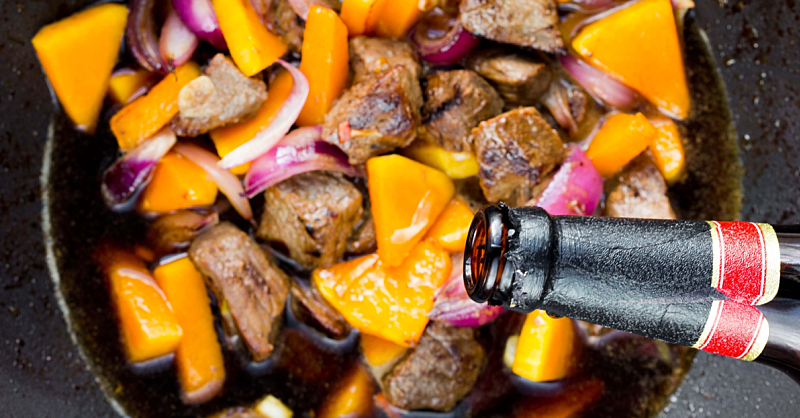
Beer has always held a place at the table, but it deserves a place in the kitchen too. Long before craft brewers filled shelves with hazy IPAs and chocolate-rich stouts, cooks were using beer to add depth, richness, and complexity to their food. Think of beer the way you think of wine while cooking: a liquid that carries flavor, softens meat, enhances aromatics, and creates dimension in even the simplest dish.
Because beer is built on malt, hops, yeast, and water, it brings a balanced mix of sweetness, bitterness, acidity, and aroma. Malt lends caramel or toastiness, hops offer floral or citrusy bitterness, and the yeast contributes everything from fruitiness to spice. When you add all this to a hot pan, a bubbling pot, or a loaf in the oven, those flavors either deepen or mellow, giving you a richer result than stock or water alone.
Why Beer Works So Well in Recipes
Beer carries more complexity than it gets credit for. The sweetness of malt can help caramelize onions or balance the richness of creamy sauces; the bitterness from hops cuts through fattier meats; and the carbonation in lighter beers literally lifts batters and doughs. This makes beer as useful in a marinade as it is in a soup pot.
Beer also evaporates more slowly than water, giving you time to coax out flavors without burning off all the liquid immediately. As it reduces, beer becomes thicker and more intense, developing a glossy body that leaves stews and braises tasting luxuriously hearty.
Cooking Techniques Where Beer Shines
Frying: Crisp, Light, and Flavorful
A pale lager or pilsner in a batter creates a light, crisp coating that stays airy even after a dunk in hot oil. The carbonation forms tiny bubbles in the batter, which expand during frying and leave behind the familiar crunch you expect in good fish and chips or onion rings. Choosing a light beer keeps the color golden and prevents heavy bitterness or gray tones that dark beers can cause.
Braising and Slow Cooking
Beer is practically made for slow, gentle cooking. When used in a braise, it penetrates the meat’s fibers, loosening them and creating a tenderness that feels almost effortless. Darker beers like stouts or porters develop deep, molasses-like flavors after hours of simmering, making them perfect for dishes like beef short ribs, pork shoulder, or lamb shanks. Amber or brown ales keep things slightly lighter but still offer more character than broth alone.
Deglazing for Pan Sauces
If you’ve ever seared meat and stared proudly at the golden fond stuck to the bottom of the pan, beer is an excellent way to pull it up. Pouring in a splash of beer loosens those caramelized bits, and reducing the liquid gives you an aromatic sauce. Pale ales add warmth and mild bitterness, while brown ales offer deeper sweetness. Whisking in butter at the end gives the sauce a silky finish.
Soups and Stews
When used in soups or stews, beer fills in the background flavors in a way stock can’t. Wheat beers bring a soft, subtle brightness to chicken or seafood soups. Ales and stouts add roundness to chili, potato soup, or beef stew, creating broths that are richer and more aromatic. Over time, the bitterness softens, leaving behind a smoother, fuller mouthfeel.
Baking With Beer
Beer can lighten the crumb of a cake or bread just as well as club soda. In quick breads, the carbonation adds lift while the malt adds flavor. Light lagers and ambers produce moist, tender loaves, while stouts turn chocolate cakes and brownies even richer. In pretzels and rolls, the yeast character in beer reinforces the natural wheat flavors of the dough.
Marinades and Backyard Barbecue
Beer gets into the cracks and crevices of tougher meats, helping to tenderize them while layering in earthy, malty notes. A simple marinade made with beer, mustard, garlic, and a touch of tomato creates a surprisingly complex flavor that works especially well with beef and pork. Because beer has both acidity and bitterness, it balances sweet or smoky barbecue sauces too.
Choosing the Right Beer for the Dish
There’s no single rule about which beer to use, but understanding what each style brings makes choosing easier.
-
Light beers like pilsners, helles lagers, or wheat beers work beautifully with chicken, seafood, and vegetable dishes. Their mild flavors complement delicate ingredients without overpowering them.
-
Ales, porters, and stouts have fuller, richer profiles that pair well with hearty meats like beef, lamb, and pork. They deepen braises, enrich stews, and contribute gentle sweetness once the bitterness mellows.
-
Belgian ales, known for spicy or fruity notes, shine in slow-cooked dishes where their complexity can bloom without taking over.
-
Fruity or citrus-forward beers bring brightness to desserts, glazes, and baked goods, especially when paired with chocolate, berries, or citrus zest.
If you don’t feel like thinking too hard, a pale ale is the most reliable option. It has enough character to matter but not so much that it overwhelms a recipe.
Practical Tips for Cooking With Beer
Even though beer is forgiving, a little strategy goes a long way. Start with small amounts so you don’t accidentally over-bitter a dish. The flavor intensifies as it cooks, so a cup goes further than you think. Avoid beers with sharp off-flavors or skunky aromas; those unpleasant notes won’t cook out. And while you don’t need to splurge, using a beer you’d happily drink usually guarantees a better final dish.
A Simple Rule to Remember
Light food pairs with light beer; bold food pairs with bold beer. When in doubt, start lighter and adjust the next time you make the recipe.
The Takeaway
Cooking with beer is one of the easiest ways to deepen flavor, tenderize meat, and experiment with the endless creativity of brewing. From airy fried batters to rich braises and glossy sauces, beer opens doors to techniques and flavors you won’t get from other liquids. Whether you’re trying to elevate a weeknight dinner or build something impressive for guests, the right beer can turn an ordinary recipe into something memorable.
Simple Beer-Braised Chicken Thighs
Ingredients:
-
6 bone-in chicken thighs
-
Salt and black pepper
-
1 tablespoon olive oil
-
1 medium onion, sliced
-
3 garlic cloves, minced
-
1 cup pale ale or lager
-
1 cup chicken broth
-
1 tablespoon Dijon mustard
-
1 teaspoon paprika
-
1 teaspoon dried thyme
-
1 bay leaf
Instructions:
-
Pat the chicken thighs dry and season generously with salt and pepper.
-
Heat the olive oil in a large skillet or Dutch oven over medium-high heat. Add the chicken thighs, skin-side down, and sear until golden brown, about 5–7 minutes. Flip and cook the other side for 3–4 minutes. Remove the chicken and set aside.
-
Add the sliced onion to the pan and cook until softened, about 5 minutes. Stir in the garlic and cook for another minute.
-
Pour in the beer, scraping up the browned bits from the bottom of the pan. Let it simmer for 2 minutes to mellow the bitterness.
-
Add the chicken broth, mustard, paprika, thyme, and bay leaf. Stir to combine.
-
Return the chicken thighs to the pan, skin-side up, and reduce the heat to low. Cover and simmer for 35–40 minutes, until the chicken is tender and cooked through.
-
Remove the lid and simmer for an additional 5 minutes to slightly thicken the sauce. Adjust seasoning to taste.
To Serve:
Serve with mashed potatoes, rice, egg noodles, or crusty bread to soak up the sauce.